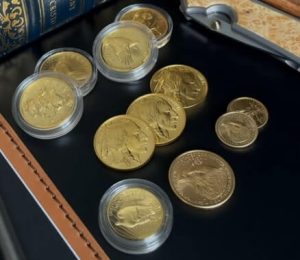
In an era of economic uncertainty and market volatility, diversifying your retirement portfolio is a strategy that has garnered increasing attention. While traditional investments like stocks and bonds have their place, many investors are turning to precious metals like gold and silver as a hedge against economic instability. But the question remains: how much of your retirement should be in gold and silver?
In this article, we’ll delve deep into the world of precious metals investing and help you navigate the complexities of allocating your retirement funds wisely.
The Case for Precious Metals in Your Retirement Portfolio
Before we dive into specific allocation percentages, let’s explore why precious metals like gold and silver deserve a place in your retirement portfolio as well as ask the question, “Should you really get a gold IRA?”. These metals offer unique advantages that can complement traditional investments:
- Diversification: Precious metals are uncorrelated with many other asset classes, such as stocks and bonds. This means they often move independently of traditional investments, helping to spread risk in your portfolio.
- Safe Haven: Historically, gold and silver have served as safe-haven assets during times of economic turmoil. When markets are in turmoil, investors often flock to these metals for stability and wealth preservation.
- Inflation Hedge: Precious metals can act as a hedge against inflation. When the value of fiat currencies declines due to inflation, the value of gold and silver tends to rise, helping to protect your purchasing power.
- Store of Value: Gold and silver have been used as stores of value for thousands of years. They have maintained their worth over time, making them a reliable long-term investment.
Now that we’ve established the benefits of including precious metals in your retirement portfolio, let’s discuss the optimal allocation for your specific financial goals and risk tolerance.
Determining Your Ideal Allocation
Your ideal allocation to gold and silver in your retirement portfolio isn’t a one-size-fits-all proposition. It depends on several factors, including your financial objectives, risk tolerance, and time horizon. Here are some considerations to help you determine the right allocation:
1. Risk Tolerance:
- Conservative Investors: If you have a low tolerance for risk and prioritize capital preservation, a higher allocation to precious metals (around 10-15% of your portfolio) may be suitable. This can act as a stabilizing force during market downturns.
- Moderate Investors: Moderate-risk investors may consider an allocation of 5-10%. This strikes a balance between preserving capital and participating in potential growth from other assets.
- Aggressive Investors: If you have a higher risk tolerance and are looking for significant returns, a smaller allocation (around 3-5%) to precious metals may suffice. This allows you to benefit from the potential upside of riskier assets.
2. Investment Goals:
- Preservation of Wealth: If your primary goal is wealth preservation, a larger allocation to gold and silver is advisable. These metals can act as a reliable store of value in the long term.
- Growth: If you’re aiming for capital growth, a smaller allocation to precious metals may be more appropriate. You can focus on higher-risk, higher-reward investments while using precious metals as a safety net.
3. Time Horizon:
- Long-Term Investors: If you have a long investment horizon, such as 10 years or more, you may allocate a larger percentage to precious metals. Their potential to preserve wealth over extended periods aligns well with long-term goals.
- Short-Term Investors: For those with shorter timeframes, a smaller allocation may suffice. Short-term investors may focus on other assets for quicker returns.
4. Market Conditions:
- Economic Uncertainty: During times of economic uncertainty or market turbulence, you might consider temporarily increasing your allocation to precious metals to provide stability and security.
5. Diversification:
- Ensure that your precious metals allocation is part of a diversified portfolio. Don’t put all your retirement savings into gold and silver alone. A mix of assets can help spread risk more effectively.
6. Regular Rebalancing:
- Regardless of your initial allocation, it’s crucial to periodically review and rebalance your portfolio to ensure it aligns with your goals and risk tolerance.
7. Professional Advice:
- Consulting with a financial advisor or investment professional can provide valuable insights tailored to your individual circumstances. They can help you make informed decisions about your precious metals allocation.
Incorporating Gold and Silver into Your Portfolio
Once you’ve determined your ideal allocation to precious metals, you have several options for incorporating them into your retirement portfolio. The easiest way to add physical gold to your portfolio is with a gold IRA rollover. With a gold IRA you have a lot of investment options such as:
- Physical Metals: Purchasing physical gold and silver in the form of coins or bars is the most direct way to invest in these assets. Ensure secure storage or use a trusted vault service.
- Exchange-Traded Funds (ETFs): Gold and silver ETFs offer a convenient way to gain exposure to these metals without the hassle of physical storage. They track the price of the metals and are traded on stock exchanges.
- Mining Stocks: Invest in mining companies that extract gold and silver. These stocks can offer leveraged exposure to the metals’ price movements but come with higher risk.
- Mutual Funds and Precious Metals Funds: Some mutual funds and specialized funds focus on precious metals. These can provide diversification within the sector.
- Certificates: Some financial institutions offer certificates that represent ownership of physical metals stored in their vaults. These can be an alternative to holding physical metals.
- Options and Futures: For more experienced investors, options and futures contracts can be used to speculate on the price movements of gold and silver. These are higher-risk strategies and should be approached with caution.
We’ve explored the rationale for including gold and silver in your retirement portfolio and discussed the factors that influence your allocation decisions. Next up, we’ll delve deeper into the various methods of investing in precious metals and provide tips for effectively managing your precious metals investments within your retirement strategy. Whether you’re a conservative investor looking for stability or a more aggressive one seeking growth, understanding how to incorporate gold and silver into your retirement portfolio can be a crucial step towards achieving your financial goals. Stay tuned for the next part, where we’ll guide you through the practical steps of implementing your precious metals investment strategy.
Effectively Managing Your Precious Metals Investments in Your Retirement Portfolio
Welcome back to the second part of our exploration into the role of gold and silver in your retirement portfolio. In the first part, we discussed the rationale for including these precious metals, along with factors that influence your allocation decisions. Now, let’s delve deeper into the practical aspects of managing your precious metals investments within your retirement strategy.
1. Choosing the Right Precious Metals Investments
When it comes to investing in gold and silver, there are various options available. Each has its advantages and disadvantages, so it’s essential to choose the ones that align with your goals and preferences:
a. Physical Metals: Owning physical gold and silver in the form of coins or bars is a tangible way to invest. It offers direct ownership of the metals. Ensure you store them securely, whether at home in a safe or using a reputable vaulting service.
b. Exchange-Traded Funds (ETFs): ETFs provide a convenient and liquid way to gain exposure to gold and silver prices. They can be bought and sold like stocks through your brokerage account. Be aware of management fees and the tracking accuracy of the ETF.
c. Mining Stocks: Investing in mining companies that extract gold and silver can provide leveraged exposure to the metals’ price movements. However, it comes with higher risk, as it’s influenced by both metal prices and operational factors of the mining companies.
d. Mutual Funds and Precious Metals Funds: Some mutual funds specialize in precious metals. Investing in such funds can offer diversification within the sector, as they may hold various mining stocks and related assets.
e. Certificates: Certain financial institutions offer certificates that represent ownership of physical metals stored in their vaults. This can be an alternative to holding physical metals yourself.
f. Options and Futures: For experienced investors, options and futures contracts can be used to speculate on the price movements of gold and silver. These are more complex and come with higher risks.
2. Storage and Security
If you choose to own physical gold and silver, proper storage and security are paramount. Here are some considerations:
- Home Storage: If you opt to store metals at home, invest in a secure safe or vault. Ensure it’s fireproof and anchored securely to prevent theft.
- Vault Storage: Using a professional vaulting service is a safe and convenient option. Vaults are equipped with advanced security measures, including surveillance and insurance.
- Insurance: Regardless of where you store your metals, consider insuring them to protect against theft or loss.
3. Regular Portfolio Rebalancing
As with any investment, your precious metals allocation should be periodically reviewed and adjusted to maintain your target percentage. Market fluctuations can cause your allocation to drift from your original plan. Rebalancing involves selling or buying assets to restore your desired balance.
For instance, if your target allocation is 5% in gold, but due to price appreciation, it has risen to 7%, you may consider selling some gold to bring it back to 5%. Conversely, if it has fallen to 3%, you may purchase more to reach the 5% target.
4. Tax Implications
Be aware of the tax implications of your precious metals investments. Different forms of investments may have varying tax treatments. Consult with a tax advisor to understand how your investments may impact your tax liability and whether there are tax-efficient strategies you can employ.
5. Monitoring Market Conditions
Keep a close eye on economic and market conditions, as these can impact the performance of precious metals. Events like inflation, geopolitical tensions, or economic downturns can influence the prices of gold and silver. Stay informed to make informed decisions about your investments.
6. Diversification within Precious Metals
If you allocate a portion of your retirement portfolio to precious metals, consider diversifying within this asset class. Don’t put all your metal investments into one type or form. For example, you might have a mix of physical gold, silver ETFs, and mining stocks to spread risk.
7. Consider Dollar-Cost Averaging
Dollar-cost averaging is a strategy where you invest a fixed amount of money at regular intervals, regardless of market conditions. This approach can help mitigate the impact of price volatility. If you’re looking to accumulate physical metals or ETFs, consider setting up a regular investment plan.
8. Keep Emotions in Check
Emotional decision-making can lead to poor investment choices. Precious metals can be volatile, and prices may fluctuate. Stick to your long-term strategy and avoid making impulsive decisions based on short-term market movements.
Conclusion
As we conclude our exploration into the role of gold and silver in your retirement portfolio, it’s crucial to remember that the right allocation and management of precious metals investments depend on your individual financial goals and risk tolerance. Whether you are a conservative investor looking for stability or a more aggressive one seeking growth, understanding how to effectively incorporate gold and silver into your retirement strategy can be a significant step toward achieving your financial objectives.
Precious metals can provide a valuable diversification tool, acting as a hedge against economic instability and inflation while preserving your wealth over time. However, it’s essential to approach precious metals investments with careful consideration, weighing the pros and cons of different forms of ownership and staying vigilant about market conditions.
Ultimately, consulting with a financial advisor or investment professional can provide personalized guidance tailored to your unique circumstances. They can help you navigate the complexities of precious metals investing and ensure that your retirement portfolio is well-balanced and positioned to meet your long-term financial goals.